

Longevity medicine is a clinical discipline focused on extending healthspan, the years of life spent in good health. Atlanta adults now access physician-supervised anti-aging protocols that address the biological mechanisms of aging rather than masking its symptoms. These protocols span cellular health support, hormonal optimization, peptide therapy, NAD+ restoration, IV nutrition, and lifestyle medicine. Age Well ATL delivers longevity medicine through medical oversight, diagnostic lab testing, and personalized treatment planning.
What is longevity medicine, and how is it different from conventional anti-aging treatments?
Longevity medicine is a physician-supervised clinical discipline that targets the biological mechanisms of aging, distinct from cosmetic anti-aging products. Conventional anti-aging treatments mask surface signs such as wrinkles and skin texture; longevity medicine addresses the cellular, hormonal, and metabolic processes that drive aging itself.

Healthspan, the number of years lived in good health, is the primary outcome metric in clinical longevity, distinct from lifespan, which counts only total years. According to a 2026 overview from Acibadem International Hospitals Group, longevity in medicine means lifespan together with health, function, and quality of life, and doctors focus on healthspan, the years lived in relatively good health. The World Health Organization proclaimed 2021 to 2030 the Decade of Healthy Aging, as reported by npj Regenerative Medicine in 2021. Aging remains the primary risk factor behind most chronic disease, so the widening gap between years lived and years lived well carries real personal, economic, and societal costs.
The term “anti-aging” is clinically imprecise. A patient who asks for anti-aging treatments and a patient who asks to live better longer are describing the same clinical goal, but the second framing matches how evidence-based protocols are actually designed and measured. Under an anti-aging framing, the provider designs the treatment around visible surface endpoints such as wrinkle depth and skin texture, selects interventions for cosmetic effect, and measures success by appearance and by added birthdays. Under a healthspan framing, the physician designs the protocol around measurable functional endpoints and tracks those markers over time: strength, mobility, glucose control, blood pressure, body composition, and cognitive performance. A protocol earns its place only when those numbers improve.
Four categories of intervention carry peer-reviewed support in clinical longevity care. Hormonal optimization restores declining hormones such as testosterone, estrogen, or thyroid function to healthy physiological ranges under laboratory monitoring. Cellular health interventions address chronic inflammation, oxidative stress, and mitochondrial function. Lifestyle medicine provides the foundation: the science-backed longevity lifestyle choices that every clinical protocol builds on, including structured nutrition, resistance training, sleep, and stress management. Metabolic management covers physician-supervised weight and metabolic care, including GLP-1 receptor agonists and dual GIP/GLP-1 agonist therapy where clinically appropriate.
Physician oversight is structurally necessary, not optional. Hormone therapy and GLP-1 weight-loss therapy are prescription interventions with real contraindications, dosing requirements, and drug interactions, so safe use depends on baseline lab work, ongoing monitoring, and adjustment by a licensed clinician. Spa treatments and over-the-counter supplements skip that structure entirely, which is why a product sold as “anti-aging” is not longevity medicine. For Atlanta adults weighing their options, that structure is what separates a clinical program from a cosmetic purchase, and the same distinction defines credible longevity medicine as a discipline.
What are the hallmarks of aging, and which ones can clinical interventions actually target?
The hallmarks of aging framework contains twelve interrelated biological processes that longevity interventions target, including genomic instability, telomere attrition, mitochondrial dysfunction, and cellular senescence. Physicians can already target several of these hallmarks with NAD+ support, hormone replacement therapy, and physician-supervised weight management.

Researchers first proposed nine hallmarks in 2013 and expanded the framework to twelve in 2023, adding chronic inflammation, disabled macroautophagy, and dysbiosis, according to Frontiers in Aging (2024). The López-Otín framework also includes epigenetic alterations, loss of proteostasis, deregulated nutrient sensing, stem cell exhaustion, and altered intercellular communication. The hallmarks of aging at the molecular, cellular, and systemic levels represent the root causes of human aging.
Four hallmarks already have established clinical interventions:
- Mitochondrial dysfunction: NAD+ support replenishes a coenzyme that aging mitochondria need for energy production.
- Hormonal signaling loss: Hormone replacement therapy restores the endocrine signals that altered intercellular communication disrupts with age.
- Deregulated nutrient sensing: Physician-supervised weight management and GLP-1 weight-loss therapy correct the metabolic derangement that deregulated nutrient sensing produces.
- Chronic inflammation: Lifestyle medicine and body-composition improvement lower the inflammatory burden directly.
The hallmarks do not operate independently. Mitochondrial dysfunction worsens cellular senescence, senescent cells amplify chronic inflammation (a process researchers call “inflammaging”), and that inflammation accelerates genomic instability. Because this cascade links the hallmarks to one another, a single intervention reaches only part of the network, which is why clinical longevity programs often combine approaches such as NAD+ support, peptide therapy, hormone optimization, and lifestyle medicine to target multiple hallmarks at the same time.
Aging is also measurable, which makes it targetable. Epigenetic clocks such as the Horvath clock estimate biological age from DNA methylation patterns independently of chronological age, and longevity researchers now use these emerging biomarkers to gauge whether interventions slow biological aging.
How do NAD+ and peptide therapies support cellular health and longevity?
NAD+ and peptide therapies support cellular health by restoring declining NAD+ levels that power mitochondrial energy production and DNA repair, and by deploying targeted peptides that direct tissue recovery, muscle preservation, and healthy cellular signaling under physician supervision.

NAD+ functions as a central metabolic cofactor and signaling molecule that regulates energy metabolism, mitochondrial function, inflammation, and DNA repair, according to Geromedicine (2025). Aging Cell (2025) reports that NAD levels decline with age across multiple species, correlating with mitochondrial dysfunction, genomic instability, and altered cellular communication. Geromedicine (2025) adds that intracellular NAD+ falls across multiple tissues and organ systems, and that restoring NAD+ content reinstates cellular and physiological function in model systems. NAD+ therefore has a measurable decline with age that impairs mitochondrial function, DNA repair, and cellular energy production, and injection therapy restores NAD+ levels clinically.
A physician-supervised longevity protocol follows a clear sequence:
1. Restore NAD+ directly. NAD+ injections for cellular repair form the core of the NAD+ Injection Therapy Atlanta program, delivering NAD+ directly into circulation and bypassing digestive breakdown. Oral precursors such as NMN and NR are widely available as supplements, but they deliver lower and less predictable bioavailability, which explains why some patients try capsules and notice little change. 2. Signal tissue recovery. Recovery-class peptides direct repair activity in stressed or damaged tissue, supporting healing after training, injury, or surgery. 3. Preserve lean muscle. Muscle-preservation peptides help maintain lean mass during aging or structured weight loss, protecting the metabolic engine that keeps results stable. 4. Tune cellular signaling. Signaling peptides influence inflammation and cell-to-cell communication, two processes tied to age-related decline.
Both therapies require physician oversight. A physician reviews health history and lab work, sets dosing, monitors response, and adjusts the protocol, because NAD+ and peptide therapies affect metabolism, hormone pathways, and recovery systems. The nutrient infusion research reviewed by Age Well ATL physicians informs these delivery and dosing decisions. Within the Peptide Therapy Atlanta program, the clinical team matches each patient to the peptide therapy class that fits their labs, goals, and stage of life, and the peptide therapy complete guide describes each class in detail.
What role do peptides play in anti-aging and longevity programs?
Peptide therapy is used by longevity medicine programs to support muscle preservation, cellular repair, recovery, and metabolic optimization under physician supervision. Peptides are short amino-acid chains that act as signaling molecules, directing cellular repair, muscle preservation, and metabolic function.

Longevity programs draw on three broad peptide categories. Recovery peptides support healing after exercise and injury. Growth hormone secretagogues prompt the pituitary gland to release more of the body’s own growth hormone, which influences body composition, sleep quality, and energy. Tissue repair peptides target tendons, skin, and connective tissue. Many patients first notice faster recovery after hard workouts.
Physician supervision protects patients on three fronts. Product quality varies across suppliers, so clinicians source peptides through regulated pharmacies. Dosing depends on lab work, age, and individual goals, and contraindication screening identifies patients whose health history makes a specific peptide a poor fit. The evidence-based peptide therapy overview explains how each category works, the peptide therapy complete guide maps the full treatment landscape, and the Peptide Therapy Atlanta program page outlines what a supervised protocol includes.
How does hormonal optimization slow aging in men and women?
Hormonal optimization slows aging by restoring testosterone in men and estrogen and progesterone in women to physiologic levels, reversing the steady body composition decline, gradual cognitive changes, energy loss, and cardiovascular risk that age-related hormonal decline produces in both sexes. Normal aging processes in both men and women cause hormonal decline, manifesting as reduced testosterone, estrogen imbalance, and thyroid dysregulation that accelerate metabolic and cognitive aging.

1. Testosterone replacement therapy (TRT) for men. Physicians prescribe TRT when bloodwork confirms clinically low testosterone alongside symptoms such as muscle loss, fatigue, and low libido. Physician supervision differs sharply from self-administration: a clinician sets the dose from lab values, monitors hematocrit, estradiol, and prostate markers on a schedule, and adjusts the protocol before problems develop. Age Well ATL documents the monitored approach on the Testosterone Replacement Therapy Atlanta page, which also covers hormonal optimization for Atlanta men in detail.
2. Bioidentical hormone replacement therapy (BHRT) for women. BHRT uses hormones structurally identical to the body’s own to manage perimenopause and menopause symptoms, protecting bone density, sleep quality, mood, and metabolic health. Timing matters: the timing hypothesis holds that initiating hormone therapy in perimenopause carries a more favorable cardiovascular risk profile than beginning a decade after menopause. BHRT protocols anchor vitality and longevity strategies for midlife women at Age Well ATL, and the Women’s Health & Hormone Therapy Atlanta and Women’s Wellness After 40 resources detail candidacy, delivery methods, and monitoring.
3. Thyroid function as a longevity lever. Many midlife adults carry undiagnosed thyroid dysregulation for years, yet the thyroid gland governs metabolic rate, body temperature, and cognitive sharpness. Physician-supervised panels catch subclinical hypothyroidism that standard screening misses.
Because male and female physiology respond differently to treatment, sex-specific hormone optimization approaches tailor dosing, delivery method, and monitoring cadence to each patient’s labs and symptoms.
Why is weight management a core longevity intervention, not just an aesthetic goal?
Weight management applies to longevity outcomes because excess adiposity accelerates multiple hallmarks of aging including chronic inflammation, mitochondrial dysfunction, and metabolic syndrome. Physician-supervised weight reduction slows these processes, and GLP-1 weight-loss therapy delivers metabolic benefits beyond the number on the scale.

Visceral adipose tissue functions as an active endocrine organ. Excess adiposity releases inflammatory cytokines that sustain chronic low-grade inflammation, impairs insulin signaling until insulin resistance develops, and disrupts mitochondrial function inside cells. Each of these processes is a recognized hallmark of aging, so carrying excess fat ages the body faster at the cellular level.
Metabolic syndrome concentrates that damage. The cluster of elevated blood pressure, high fasting glucose, excess waist circumference, and abnormal cholesterol accelerates biological aging and raises cardiovascular and diabetes risk years before either diagnosis appears.
GLP-1 receptor agonists target these drivers directly. Within physician-supervised longevity programs, GLP-1 weight-loss therapy improves insulin sensitivity, lowers systemic inflammation, and reduces cardiometabolic risk independent of pounds lost. Age Well ATL’s GLP-1 Weight Loss Therapy Atlanta program covers how dual GIP/GLP-1 agonist therapy fits a supervised longevity plan, and the clinic’s Medical Weight Loss Injections in Atlanta program explains candidacy and physician monitoring. Age Well ATL explains how physicians sequence these therapies for durable metabolic change in the complete guide to medical weight loss.
IV micronutrient therapy complements physician-supervised weight management for metabolically compromised patients, and the core advantage of IV delivery over oral supplementation is bioavailability, not ingredient novelty. GI tolerance limits oral magnesium absorption, typically to 40 to 50 percent, while IV delivery achieves near-100 percent bioavailability. Age Well ATL’s Mobile IV Drip Therapy Atlanta is therefore clinically relevant for patients with documented deficiencies or high metabolic demand and largely redundant for patients who are already replete.
What does a physician-supervised longevity program at Age Well ATL include?
Age Well ATL operates a physician-supervised longevity program integrating NAD+ therapy, peptide protocols, hormone optimization, IV nutrition, GLP-1 weight-loss therapy, and lifestyle medicine, all coordinated by licensed physicians at the Smyrna, GA clinic for adults across the greater Atlanta metro.
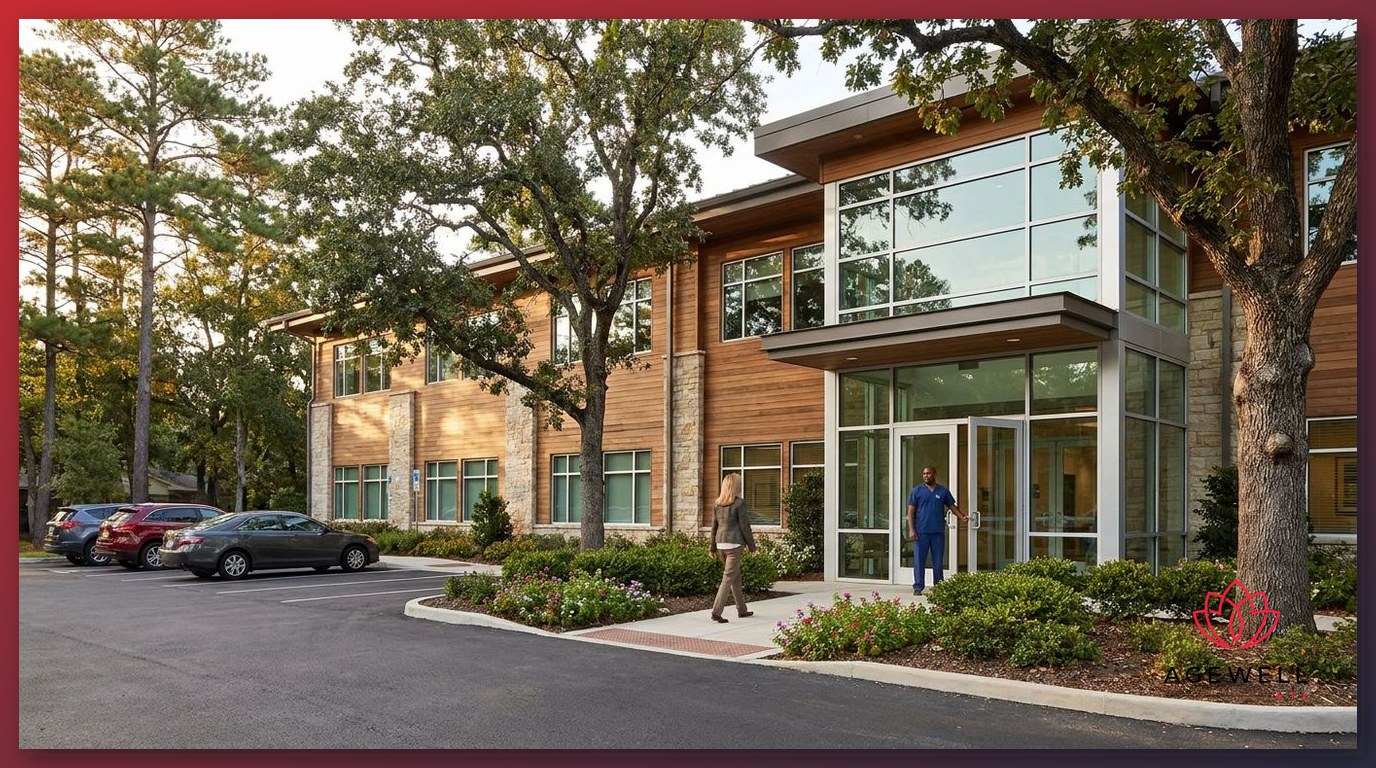
Physician supervision is a clinical safeguard, not a regulatory formality. Unsupervised use of peptide therapies and hormone protocols carries real risks: suppression of endogenous production, compounding-quality variability, and undetected contraindications such as active malignancy with certain growth-factor-adjacent peptides. Retail or online sourcing mitigates none of these risks. Age Well ATL physicians order baseline laboratory testing, review medical history, and adjust dosing as biomarkers change.
Multi-modal programs serve adults whose concerns overlap, such as weight gain alongside fatigue, hormonal change, slow recovery, or metabolic slowdown. A single intervention fits an isolated issue, while combined protocols address causes that interact. Men’s Health & Optimization Atlanta and Women’s Wellness After 40 address sex-specific hormonal needs in greater depth, and the full spectrum of longevity interventions is available to Atlanta adults through the coordinated Age Well ATL program.
Lifestyle medicine anchors every Age Well ATL plan. The longevity lifestyle evidence-based habits span sleep, exercise, and nutrition alongside social connection and purpose, which observational studies of Blue Zones populations identify among the strongest predictors of longevity.
The Age Well ATL wellness and weight loss programs begin with a consultation covering health history, laboratory testing, and a goals review, and the supervising physician builds an individualized plan from those results. Atlanta-area adults can schedule a consultation at the Age Well ATL clinic in Smyrna, GA.
Sources
- Acibadem International Hospitals Group, “Longevity Definition In Medicine: Simple Guide” (2026)
- Frontiers in Aging, “The Longevity Med Summit: insights on healthspan from cell to society” (2024)
- Frontiers in Aging, “The hallmarks of aging as a conceptual framework for health and longevity research” (2024)
- Geromedicine, “Clinical evidence for the use of NAD+ precursors to slow aging” (2025)