
Clean and well-maintained clinics do more than look professional-they protect health. In peptide therapy, where injections and precise formulations are common, hygiene directly affects how safe and effective each treatment is. Clinic cleanliness plays a vital role in preventing infections, ensuring accurate dosing, and supporting patient safety.
When we walk into a peptide therapy clinic, we trust that every surface, tool, and vial meets strict cleanliness standards. That trust depends on consistent sanitation practices and adherence to regulatory guidelines. A single lapse in hygiene can compromise treatment quality and patient outcomes.
By understanding how cleanliness supports safety, we can make informed choices about where and how we receive peptide therapy. This awareness helps us recognize responsible clinics that prioritize both care quality and patient well-being.
Clinic Cleanliness as a Foundation for Patient Safety in Peptide Therapy
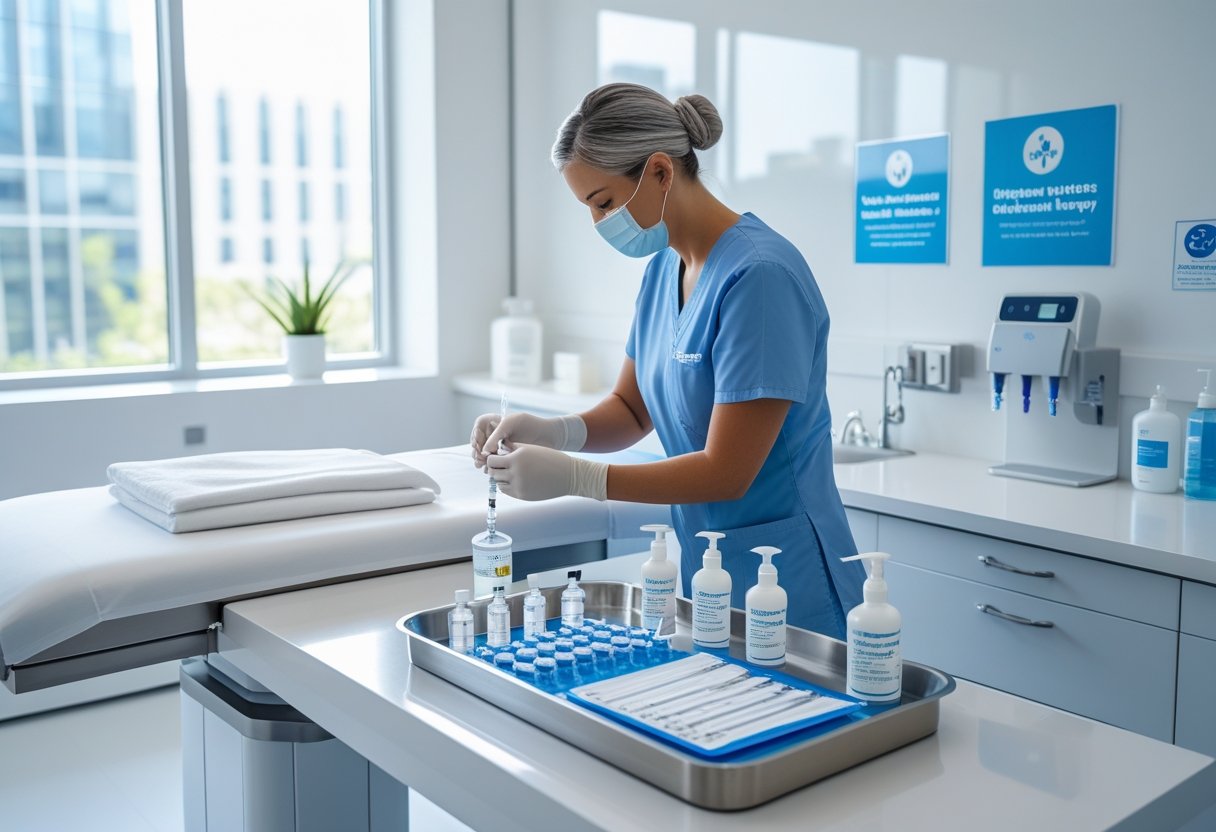
Maintaining a clean clinical environment protects patients from infection, ensures accurate peptide dosing, and supports the immune system’s ability to respond safely to treatment. Our focus on sanitation, sterile procedures, and contamination control directly affects the safety and success of peptide therapy.
Reducing Infection Risks in Peptide Administration
When we administer peptides, even small lapses in hygiene can expose patients to harmful microbes. Clean treatment rooms, sterilized injection tools, and proper hand hygiene reduce these risks. We disinfect all surfaces before and after every procedure.
Key practices include:
- Using single-use syringes and vials
- Wearing gloves and masks during preparation
- Cleaning injection sites with alcohol wipes
Each step limits bacterial transfer and helps prevent local or systemic infections. Monitoring air quality and maintaining filtered ventilation also reduce airborne contamination.
We train staff to follow strict aseptic techniques and document cleaning schedules. This consistency helps maintain patient safety and supports trust in the peptide therapy process.
Preventing Contamination During Peptide Synthesis and Handling
Peptide synthesis requires precise conditions. Contaminants like dust, skin cells, or chemical residues can alter peptide purity and reduce effectiveness. We use cleanrooms with controlled temperature and humidity to maintain stability.
All materials and tools undergo sterilization before use. Proper handling protocols include:
- Storing peptides in sealed, labeled containers
- Using sterile pipettes and gloves
- Avoiding repeated exposure to open air
We also monitor for cross-contamination between batches. Regular equipment calibration ensures accurate mixing and prevents unwanted reactions.
By maintaining these standards, we protect both product quality and patient safety. Clean synthesis environments support consistent dosing and predictable therapeutic outcomes.
Impact on Immune System Complications
A patient’s immune system can react negatively if exposed to contaminated peptides. Even trace impurities may trigger inflammation or allergic responses. We minimize this risk through strict sanitation and quality control.
Clean facilities help ensure that administered peptides remain pure and compatible with the body’s natural defenses. This reduces immune stress and supports proper healing.
We also track patient responses after administration. If any immune reaction occurs, we review our cleanliness records to identify potential sources. Maintaining this feedback loop strengthens our infection control and reinforces confidence in peptide therapy safety.
Regulatory Standards and Quality Assurance in Peptide Therapy Clinics
We maintain patient safety by following strict federal regulations, verified production standards, and evidence-based testing. These measures help ensure that every peptide product meets quality expectations before reaching patients.
FDA Guidelines and Compliance
The U.S. Food and Drug Administration (FDA) regulates peptide therapy to protect patients from unsafe or ineffective products. Clinics must follow FDA rules on drug compounding, labeling, and distribution.
We ensure compliance through regular audits, documentation review, and reporting procedures. Each peptide used in therapy must come from a source that meets FDA registration and inspection requirements.
The FDA also monitors promotional claims to prevent misleading information. Clinics must avoid suggesting unproven benefits and must only provide data supported by approved studies.
To stay compliant, we keep updated on FDA guidance documents and adjust our protocols when new regulations or safety alerts are issued. This approach helps maintain consistency and transparency in every step of peptide use.
Good Manufacturing Practice (GMP) in Peptide Production
Good Manufacturing Practice (GMP) standards ensure that peptide synthesis and handling meet quality and purity requirements. Facilities that produce peptides must maintain controlled environments, validated equipment, and trained staff.
We follow GMP by tracking every step of the manufacturing process, from raw material sourcing to final packaging. Each batch must include a certificate of analysis (COA) confirming purity, molecular structure, and sterility.
A simple breakdown of GMP focus areas includes:
| Focus Area | Purpose |
|---|---|
| Cleanroom Controls | Prevent contamination |
| Equipment Validation | Ensure accurate production |
| Staff Training | Maintain consistent methods |
| Documentation | Support traceability |
By enforcing GMP, we reduce the risk of impurities or dosage errors that could affect patient safety.
Role of Clinical Trials in Ensuring Safety
Clinical trials play a central role in confirming the safety and effectiveness of peptide therapies. Before approval, peptides undergo testing in controlled studies that evaluate dosage, side effects, and long-term outcomes.
We rely on trial data to guide dosing protocols and identify potential risks. Trials follow Institutional Review Board (IRB) oversight to protect participants and ensure ethical conduct.
Results from Phase I to Phase III trials help verify that peptides perform as intended in real clinical settings. Data from these studies also inform FDA review and post-market monitoring.
By basing our practices on credible clinical evidence, we strengthen patient trust and uphold scientific integrity in peptide therapy.
Risks of Poor Hygiene and Cross-Contamination in Peptide Therapy
Poor hygiene during peptide therapy can expose patients to harmful bacteria and chemical residues that compromise treatment safety. Contaminated tools, surfaces, or vials can alter compound stability, increase infection risk, and interfere with hormone balance.
Potential for Adverse Reactions and Side Effects
When peptides become contaminated, patients may experience infections, inflammation, or unexpected immune responses. Even small amounts of bacteria or residue can cause redness, swelling, or fever after injection.
Cross-contamination between peptide vials can change the chemical structure of compounds. This can lead to reduced effectiveness or unintended reactions when peptides interact with other substances.
We must also consider allergic responses. Contaminants may trigger skin irritation or systemic effects that mimic allergic symptoms. Consistent sterilization of needles, syringes, and workspaces minimizes these risks.
| Common Reaction | Possible Cause | Prevention |
|---|---|---|
| Redness or swelling | Bacterial contamination | Use sterile, single-use equipment |
| Fever or chills | Endotoxin exposure | Maintain aseptic technique |
| Reduced results | Cross-contaminated peptides | Label and store compounds properly |
Implications for Hormonal Therapies
Hormonal therapies using growth hormone, insulin, or testosterone depend on precise dosing and purity. Contamination can alter hormone levels, leading to unpredictable physiological effects.
For example, bacterial contamination in growth hormone injections may cause local abscesses or systemic infection. Impure insulin can disrupt blood sugar control, while contaminated testosterone may cause injection-site pain or tissue damage.
We must maintain clean preparation areas and use sterile diluents. Any lapse in hygiene can distort hormone absorption and metabolism, reducing therapy reliability.
Key hygiene steps include:
- Disinfecting all preparation surfaces
- Using sterile gloves and alcohol wipes
- Avoiding reuse of vials, syringes, or mixing tools
Safe Handling of Amino Acids and Injectable Compounds
Amino acids and injectable peptides degrade quickly when exposed to moisture or heat. Contaminated solutions can lose potency or form harmful byproducts.
We should store amino acid-based compounds in temperature-controlled environments and prepare them using sterile water. Improper handling can alter peptide chains, making them unsafe for injection.
When mixing or transferring solutions, we must avoid touching the inside of vials or caps. Using sterile filters and sealed containers helps maintain purity. Proper waste disposal also prevents accidental cross-contact between different compounds.
Best practices checklist:
- Store peptides at recommended temperatures
- Use sterile mixing tools
- Label vials clearly to avoid mix-ups
- Dispose of used materials immediately
Enhancing Patient Outcomes Through Cleanliness and Responsible Practice
Clean and well-managed clinical environments directly support patient safety and improve the effectiveness of peptide therapy. We reduce infection risks, maintain product integrity, and promote better outcomes by following strict hygiene and responsible handling standards.
Optimizing Results in Anti-Aging and Wellness Treatments
We achieve stronger results in anti-aging and wellness treatments when we maintain a sterile environment. Clean rooms prevent contamination that could alter peptide stability or reduce its effectiveness. This ensures each dose delivers consistent results.
Proper surface disinfection, sterile instruments, and controlled storage temperatures protect product quality. We also use single-use vials and syringes when possible to avoid cross-contamination.
| Key Practice | Benefit to Patient Safety |
|---|---|
| Regular sanitation schedule | Reduces infection risk |
| Sterile equipment use | Preserves peptide purity |
| Temperature control | Maintains product stability |
When patients receive therapy in a clean, organized space, their bodies respond better to treatment. This helps us support steady progress toward improved skin tone, muscle recovery, and overall wellness.
Building Patient Trust and Confidence
Patients notice when a clinic is clean and orderly. A spotless environment communicates professionalism and care, which builds trust before treatment begins.
We reinforce confidence by following visible hygiene protocols, such as handwashing, glove use, and disinfecting surfaces between appointments. These actions show our commitment to patient safety and responsible practice.
Clear communication also matters. We explain our sanitation steps so patients understand how we protect their health. When they see consistent cleanliness and transparency, they feel secure continuing with peptide therapy and other anti-aging treatments under our care.

Dr. Cassandra B. Donnelly is a highly experienced physician with over 30 years in the medical field, specializing in emergency medicine and Osteopathic Medicine. She earned her Doctor of Osteopathic Medicine from Rowan University’s School of Osteopathic Medicine and completed her Emergency Medicine residency at Rutgers New Jersey Medical School, building a profound understanding of critical care and patient management. Dr. Donnelly’s expertise has been recognized in significant medical literature, with her contributions featured in the National Library of Medicine. Her professional commitment extends to providing comprehensive patient care and contributing valuable insights to the medical community. Dr. Donnelly is dedicated to delivering accurate, reliable, and expertly reviewed content that meets the highest standards of medical knowledge.