
Many of us focus on collagen for skin or joint support, but its link to gut health often goes unnoticed. Our digestive system depends on strong tissue and balanced bacteria to function well, and collagen peptides may play a key role in keeping that balance stable. Collagen peptides support the gut lining, which helps maintain proper digestion and nutrient absorption.
We’ll look at what collagen peptides are, how they interact with the gut, and what current research says about their role in digestive health. By understanding these connections, we can make better choices for our overall wellness and learn how to use collagen peptides effectively as part of a healthy routine.
Understanding Collagen Peptides and Gut Health
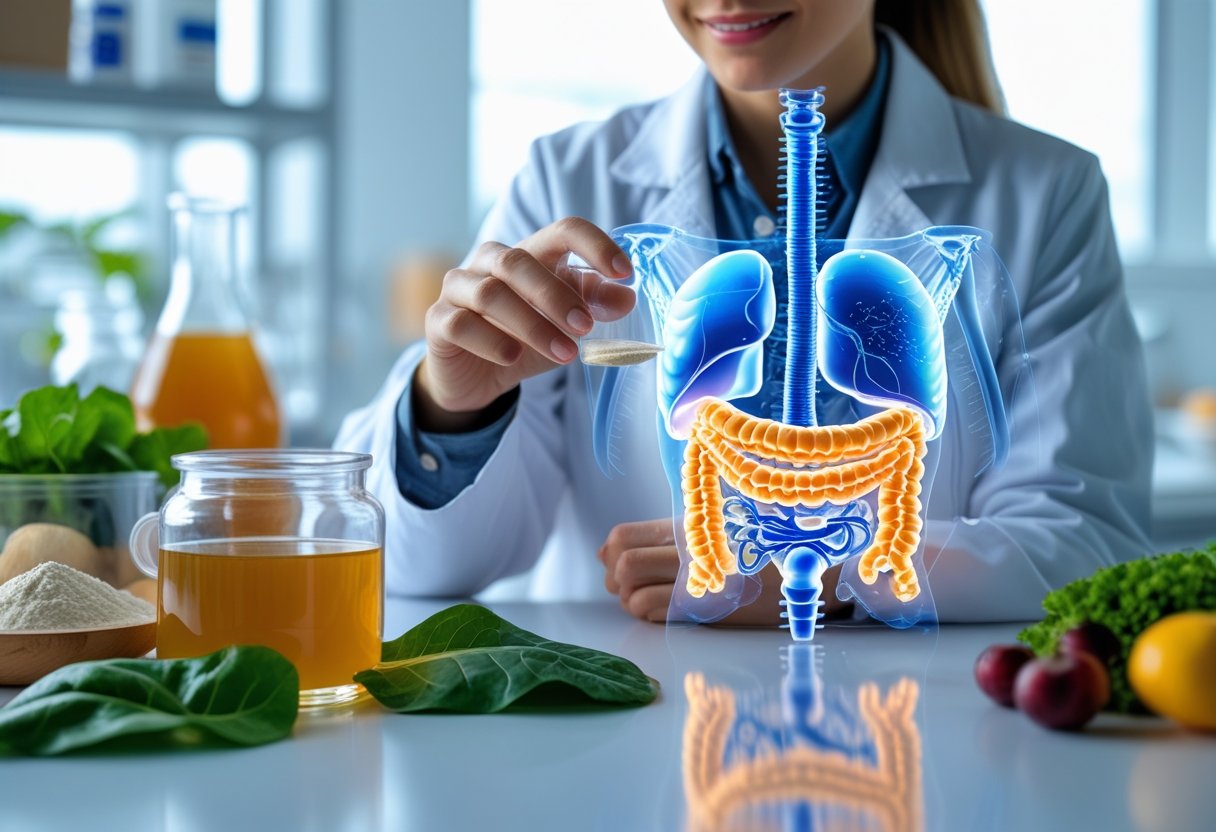
Collagen peptides support the body’s structural proteins and may influence how well our digestive system functions. Their amino acid content, source, and type each play a role in how they interact with the gut lining and overall nutrient absorption.
What Are Collagen Peptides?
Collagen peptides are short chains of amino acids made by breaking down collagen protein. This process, called hydrolysis, makes the protein easier for our bodies to digest and absorb.
We can find collagen peptides in powder supplements, capsules, and foods like bone broth. Because they dissolve easily in hot or cold liquids, they are simple to add to daily meals or drinks.
Collagen peptides come from animal sources such as bovine collagen, marine collagen, and chicken skin. Each source provides similar amino acids but may vary in digestibility and taste.
Once absorbed, these peptides supply building blocks for tissues like skin, joints, and the intestinal lining. Their high content of glycine, proline, and hydroxyproline makes them different from other proteins such as whey or soy.
Overview of Gut Health and Its Importance
Gut health refers to how well our digestive system breaks down food, absorbs nutrients, and supports immune function. A healthy gut depends on a balanced microbiome, strong intestinal walls, and proper enzyme activity.
When the gut barrier weakens, unwanted particles can pass into the bloodstream, leading to discomfort or inflammation. Maintaining gut integrity helps prevent this problem and supports overall well-being.
Diet plays a major role. Foods rich in fiber, leafy greens, and berries promote healthy bacteria growth. Adequate hydration and regular meals also help the digestive tract function smoothly.
Collagen peptides may help maintain the gut lining by providing amino acids that support connective tissue in the intestines. This structural support contributes to proper nutrient absorption and digestive comfort.
Types and Sources of Collagen
There are several types of collagen, but Type I collagen is the most common in the body. It appears in skin, bones, tendons, and the intestinal wall. Type II supports cartilage, while Type III works with Type I in flexible tissues.
Bovine collagen mainly provides Type I and III, making it a popular choice for supplements. Marine collagen comes from fish skin and scales and contains mostly Type I. Egg whites and chicken skin also offer smaller amounts.
Natural food sources like bone broth contain collagen in a less processed form. Leafy greens and berries contain nutrients that help the body produce collagen naturally, such as vitamin C and antioxidants.
Using a variety of these sources can help us maintain steady collagen levels that support both skin and gut tissues.
Key Amino Acids in Collagen Peptides
Collagen peptides contain three main amino acids: glycine, proline, and hydroxyproline. These make up about half of the collagen structure and are essential for forming strong connective tissue.
Glycine supports the gut lining and helps form new cells. Proline contributes to tissue repair, while hydroxyproline strengthens collagen fibers by forming stable bonds.
| Amino Acid | Main Role | Benefit to Gut Health |
|---|---|---|
| Glycine | Cell growth, detox support | Helps maintain gut lining integrity |
| Proline | Tissue repair | Aids recovery of intestinal tissue |
| Hydroxyproline | Collagen stability | Supports structural strength of gut wall |
Together, these amino acids may help the body repair and maintain the intestinal barrier. Consistent intake through collagen supplements or collagen-rich foods supports digestive tissue resilience over time.
How Collagen Peptides Influence Gut Health
Collagen peptides support the structure and function of the digestive system by helping maintain a healthy gut lining, improving nutrient absorption, and supporting a balanced gut microbiome. They also provide amino acids that help repair intestinal tissue and reduce mild inflammation that can affect digestion.
Strengthening the Gut Lining and Intestinal Integrity
A strong gut lining helps protect us from harmful substances entering the bloodstream. Collagen peptides supply key amino acids like glycine, proline, and hydroxyproline that support collagen synthesis in the intestinal lining.
These amino acids help maintain gut integrity by reinforcing the connective tissue that forms the barrier between the intestines and the rest of the body. When the gut lining weakens, small gaps can appear, allowing unwanted particles to pass through.
By providing building blocks for new collagen, hydrolyzed collagen supports the repair of these gaps. This process helps the intestinal lining stay flexible yet strong, improving its ability to absorb nutrients while keeping toxins out.
| Key Benefit | How It Helps |
|---|---|
| Stronger gut barrier | Reduces permeability and leakage |
| Better tissue repair | Supports collagen formation |
| Improved nutrient transport | Keeps lining healthy and functional |
Supporting Digestion and Nutrient Absorption
Collagen peptides may help digestion by supporting the production of stomach acid and digestive enzymes. Adequate stomach acid helps break down proteins and improves mineral absorption.
The amino acids in collagen, especially glycine, play a role in producing bile acids that aid fat digestion. This helps us use nutrients more efficiently and reduces strain on the digestive tract.
Collagen also helps keep the intestinal walls hydrated. Water absorption is important for moving food smoothly through the intestines and preventing constipation. A well-hydrated gut supports better nutrient absorption and overall digestive comfort.
We can think of collagen as a gentle support system that helps the digestive process stay balanced and efficient without overstimulating it.
Reducing Gut Inflammation and Discomfort
Mild gut inflammation can make digestion uncomfortable and interfere with nutrient absorption. Collagen peptides contain amino acids that help calm irritation in the gut lining.
Glycine has natural anti-inflammatory properties that may reduce the signals that trigger inflammation. This supports a more stable environment for beneficial bacteria and helps damaged tissue heal.
Hydrolyzed collagen is easy to digest, which means it does not stress the digestive system. Regular intake may help reduce bloating or sensitivity caused by minor inflammation, supporting a more comfortable gut environment.
| Amino Acid | Main Role in Gut Health |
|---|---|
| Glycine | Reduces inflammation |
| Proline | Supports tissue repair |
| Hydroxyproline | Promotes collagen stability |
Balancing the Gut Microbiome
A balanced gut microbiome supports digestion, immune function, and nutrient absorption. Collagen peptides may help maintain this balance by supporting the growth of beneficial bacteria.
Some studies suggest that collagen acts like a mild prebiotic, providing nutrients that beneficial microbes can use for energy. A healthy microbiome helps control harmful bacteria and supports a stable digestive environment.
When the microbiome stays balanced, it helps maintain a healthy gut lining and reduces the risk of irritation or imbalance. By supporting both the gut barrier and the microbial community, collagen peptides promote steady digestive health from multiple angles.
Collagen Peptides and Digestive Disorders
Collagen peptides may support the structure and function of the digestive tract. They can influence intestinal barrier strength, inflammation levels, and bowel movement regularity, which are key factors in maintaining digestive health.
Leaky Gut Syndrome and Intestinal Permeability
Leaky gut syndrome occurs when the intestinal lining becomes more permeable than normal. This allows unwanted particles, such as toxins and bacteria, to pass into the bloodstream. It may trigger inflammation and immune responses that affect overall health.
Collagen contains amino acids like glycine, proline, and glutamine, which help maintain the integrity of the gut lining. These nutrients support the production of connective tissue that seals gaps between intestinal cells.
We can think of collagen peptides as building blocks that help reinforce the intestinal barrier. Regular intake may reduce intestinal permeability and promote better nutrient absorption. While more research is needed, early studies show that collagen may help restore gut lining strength in people with digestive disorders linked to leaky gut.
Irritable Bowel Syndrome (IBS) and Bloating
Irritable bowel syndrome, or IBS, causes symptoms such as bloating, abdominal pain, and irregular bowel movements. It often relates to gut sensitivity, mild inflammation, or changes in the gut microbiome.
Collagen peptides may help by supporting the gut’s connective tissue and reducing mild inflammation that can worsen IBS symptoms. The amino acids in collagen aid in tissue repair and may help calm irritated intestinal walls.
Some people with IBS report less bloating and discomfort when including collagen in their diet. Although evidence remains limited, this improvement could be due to better digestion and smoother movement of food through the intestines.
To support IBS management, we can combine collagen intake with balanced meals, hydration, and stress control. This approach may help stabilize digestive function and reduce symptom flare-ups.
Inflammatory Bowel Disease (IBD) and Gut Inflammation
Inflammatory bowel disease (IBD), which includes Crohn’s disease and ulcerative colitis, involves chronic inflammation in the digestive tract. This inflammation damages intestinal tissue and weakens barrier function.
Collagen peptides may assist in tissue repair by supplying amino acids that form new connective tissue. In laboratory and animal studies, collagen has shown potential to reduce inflammatory markers and support mucosal healing.
We should note that collagen is not a treatment for IBD, but it may complement medical care by supporting overall gut structure. Maintaining adequate protein intake, including collagen, can help the body repair tissues affected by inflammation.
When used along with prescribed therapies, collagen supplementation may help reduce discomfort and promote recovery of intestinal lining integrity.
Relief from Digestive Discomfort and Constipation
Digestive discomfort and constipation often result from slow intestinal movement or poor stool consistency. Collagen peptides may help by supporting muscle function in the digestive tract and improving hydration within the intestines.
The amino acid glycine can stimulate stomach acid production, which aids digestion. Better digestion may reduce bloating and gas formation.
A consistent intake of collagen may also support regular bowel movements by improving the elasticity and tone of intestinal tissue. For some people, this results in less straining and more comfortable digestion.
To encourage healthy digestion, we can pair collagen with fiber-rich foods, adequate water, and physical activity. Together, these habits support smoother digestion and reduce common digestive discomfort.
Optimizing Collagen Peptide Intake for Gut Health
We can support gut health by choosing high-quality collagen peptides, pairing them with key nutrients, and maintaining habits that improve absorption. Proper intake may also influence other areas of wellness, including skin and joint function.
Best Sources and Forms of Collagen Peptides
Collagen peptides come from animal sources such as bovine (cow), marine (fish), and porcine (pig) collagen. Each type contains different amino acid profiles that may influence how our body uses them. For example, marine collagen often contains smaller peptides that may be easier to absorb.
We can find collagen peptides in powder, capsule, or liquid form. Collagen powder dissolves easily in water or smoothies and allows flexible dosing. Capsules offer convenience, while liquids provide quick use but often cost more.
When choosing a product, we should look for:
- Hydrolyzed collagen peptides for better absorption
- Third-party testing for purity and safety
- No added sugars or artificial ingredients
Consistent use matters more than the specific form. Taking collagen daily helps maintain a steady supply of amino acids that support gut lining repair and natural collagen production.
Role of Vitamin C and Other Nutrients
Vitamin C plays a direct role in collagen synthesis. Without it, our body cannot properly form collagen fibers. Including foods rich in vitamin C; such as oranges, strawberries, and bell peppers; can help us make better use of collagen supplements.
Other nutrients also support collagen absorption and function:
- Zinc aids in tissue repair and immune function.
- Copper helps form connective tissue.
- Proline and glycine, amino acids found in protein foods, serve as collagen building blocks.
Combining collagen peptides with these nutrients strengthens the body’s ability to produce and maintain collagen. A balanced diet that includes fruits, vegetables, and lean proteins supports both gut health and overall collagen benefits.
Lifestyle Tips for Enhanced Collagen Absorption
Our daily habits can affect how well we absorb and use collagen. Staying hydrated supports digestion and nutrient transport. Drinking enough water helps collagen peptides move through the gut efficiently.
We should also limit excess sugar and alcohol, which can damage collagen fibers and slow natural collagen production. Regular exercise and adequate sleep promote tissue repair and healthy metabolism, both important for collagen renewal.
Managing stress is another factor. High stress levels raise cortisol, which may interfere with collagen synthesis. Simple practices like walking, deep breathing, or stretching can help maintain balance and improve collagen absorption.
Potential Benefits Beyond Gut Health
Collagen supplementation may support more than the gut. Research suggests benefits for joint health, skin elasticity, and muscle recovery. Collagen peptides provide amino acids that help maintain cartilage and reduce joint stiffness, especially with aging.
For skin, collagen helps improve firmness and hydration. Regular intake may reduce fine lines by supporting the skin’s structure from within.
Some people also notice improved nail strength and hair thickness. While results vary, consistent collagen intake combined with good nutrition and lifestyle habits can contribute to overall tissue health throughout the body.

Dr. Cassandra B. Donnelly is a highly experienced physician with over 30 years in the medical field, specializing in emergency medicine and Osteopathic Medicine. She earned her Doctor of Osteopathic Medicine from Rowan University’s School of Osteopathic Medicine and completed her Emergency Medicine residency at Rutgers New Jersey Medical School, building a profound understanding of critical care and patient management. Dr. Donnelly’s expertise has been recognized in significant medical literature, with her contributions featured in the National Library of Medicine. Her professional commitment extends to providing comprehensive patient care and contributing valuable insights to the medical community. Dr. Donnelly is dedicated to delivering accurate, reliable, and expertly reviewed content that meets the highest standards of medical knowledge.