
Many of us want stronger, fuller hair, but finding what truly helps can be confusing. Collagen peptides have gained attention for their possible role in supporting hair growth, and research continues to explore how they work in the body. Collagen peptides may help promote hair strength and growth by supporting the structure of hair follicles and improving scalp health.

We’ll look at how collagen influences hair growth and the biological processes that make it effective. We’ll also cover different supplement types and how to get the best results while supporting overall hair health. By understanding these factors, we can make informed choices that help maintain healthy, resilient hair.
How Collagen Peptides Influence Hair Growth
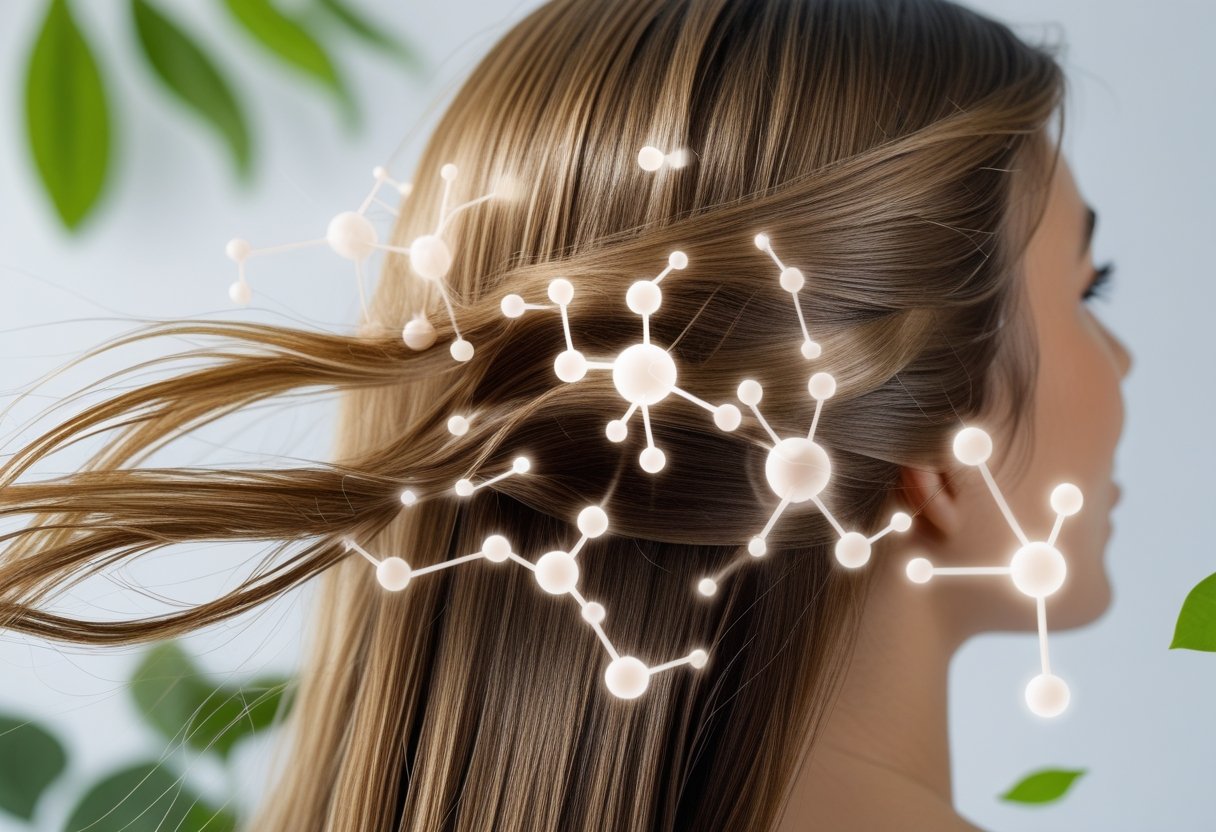
Collagen peptides support hair growth by supplying amino acids that help build keratin, improving hair strength and structure. They also promote scalp health by supporting blood flow and reducing oxidative stress that can damage hair follicles.
Collagen Peptides and the Hair Growth Cycle
Hair grows in three main phases: anagen (growth), catagen (transition), and telogen (resting). Collagen peptides may help extend the anagen phase, allowing hair to grow longer before shedding.
These peptides provide key amino acids like proline and glycine, which the body uses to produce keratin. Keratin forms the main structure of each hair strand. By improving keratin production, collagen peptides help maintain thicker and stronger hair.
We also see that collagen supports the skin around the follicles. Healthy scalp tissue helps anchor hair securely and supports steady follicle activity. This balance can lead to stronger growth and less breakage during the cycle.
| Hair Growth Phase | Role of Collagen Peptides |
|---|---|
| Anagen (Growth) | Supports keratin production and follicle strength |
| Catagen (Transition) | Helps maintain scalp tissue stability |
| Telogen (Resting) | May reduce premature shedding |
Impact on Hair Follicle Health
Hair follicles rely on a stable structure of proteins and connective tissue. Collagen peptides help maintain this structure by supporting the dermal layer that surrounds each follicle. A stronger dermal layer improves nutrient delivery and waste removal.
Collagen also promotes better scalp elasticity and hydration, which can prevent follicle damage. When the scalp remains flexible and well-hydrated, follicles can function more efficiently and produce healthier strands.
We can think of collagen as a support system that keeps the follicle environment balanced. This stability allows new hair to grow with fewer interruptions and helps existing hairs stay anchored longer.
Reducing Hair Loss and Shedding
Hair loss often results from weakened follicles, oxidative stress, or poor nutrition. Collagen peptides may help reduce these factors by supplying antioxidants and amino acids that protect and rebuild follicle tissue.
By strengthening the scalp and improving circulation, collagen can help limit hair shedding. Better blood flow means follicles receive more oxygen and nutrients, which supports continuous growth.
We may also see fewer signs of thinning when collagen levels remain steady. While collagen supplements do not stop all hair loss, they can support healthier, more resilient hair over time.
Key Biological Mechanisms and Nutrients Involved
Collagen peptides support hair growth by providing amino acids and compounds that strengthen hair structure and improve scalp health. These nutrients influence keratin formation, elasticity, and the body’s ability to maintain natural collagen levels.
Amino Acids and Keratin Production
Keratin forms the main structural protein in hair. To build keratin, our bodies need amino acids such as glycine, proline, and alanine, which are abundant in collagen peptides. These amino acids act as raw materials for new hair cells and strengthen existing strands.
When we consume collagen peptides, our digestive system breaks them down into smaller amino acids. These amino acids enter the bloodstream and reach hair follicles, where keratin-producing cells use them to create strong, flexible hair fibers.
A table below shows how certain amino acids contribute to keratin production:
| Amino Acid | Primary Function in Hair |
|---|---|
| Glycine | Supports hair strength and structure |
| Proline | Aids in collagen and keratin stability |
| Alanine | Helps maintain hair flexibility |
Regular intake of collagen-rich foods or supplements may help maintain a steady supply of these building blocks.
Role of Hydroxyproline and Elastin
Hydroxyproline, a unique amino acid found mainly in collagen, helps stabilize collagen fibers. It supports the structure of connective tissues around hair follicles, improving scalp firmness and nutrient delivery.
Elastin, another key protein, works alongside collagen to keep skin and follicles flexible. Adequate elastin levels allow hair roots to anchor securely while maintaining scalp elasticity.
Together, hydroxyproline and elastin help reduce brittleness and support a healthy environment for hair growth. When collagen peptides supply hydroxyproline, they indirectly promote elastin maintenance, keeping the scalp resilient and well-nourished.
Collagen Synthesis and Natural Production
Our bodies naturally produce collagen, but this process slows with age, stress, and poor nutrition. Collagen synthesis depends on amino acids, vitamin C, zinc, and copper. These nutrients help form stable collagen fibers that support skin and follicle health.
When we consume collagen peptides, they stimulate natural collagen production by signaling fibroblast cells to increase output. This helps maintain the structure of the dermal layer where hair follicles grow.
Supporting collagen synthesis through balanced nutrition and proper hydration helps keep the scalp firm and the hair foundation strong.
Types of Collagen Supplements for Hair Health
We can choose from several collagen sources and forms that may support hair strength and structure. Each type differs in origin, absorption rate, and nutrient pairing, which can affect how well our bodies use it for hair health.
Bovine Collagen vs. Marine Collagen
Bovine collagen comes from cow hides and bones. It mainly contains Type I and Type III collagen, which support skin, nails, and hair. This form is widely available and often more affordable than other sources.
Marine collagen is derived from fish skin and scales. It mostly provides Type I collagen, the same type found in human hair and skin. Marine collagen peptides have smaller molecules, which may help with faster absorption in the body.
We often see differences in taste, sustainability, and allergen risk between the two. Marine collagen suits those avoiding beef products, while bovine collagen works well for people without dietary restrictions.
| Source | Main Collagen Types | Key Benefit | Common Users |
|---|---|---|---|
| Bovine | Type I & III | Hair and skin elasticity | General users |
| Marine | Type I | High absorption, skin and hair support | Pescatarians, non-beef diets |
Hydrolyzed Collagen and Supplement Forms
Hydrolyzed collagen, also called collagen peptides, is collagen broken down into smaller amino acid chains. This process improves digestibility and allows the body to use it more effectively for hair and skin repair.
We can find hydrolyzed collagen in powders, capsules, and ready-to-drink liquids. Powders mix easily into coffee, smoothies, or water. Capsules offer convenience for travel or daily routines. Liquids absorb quickly but may cost more.
When choosing a form, we should check for third-party testing and no added fillers. A consistent daily intake matters more than the specific format. Hydrolyzed collagen remains the most common and researched form for hair health.
Collagen Supplementation with Vitamin C
Our bodies need vitamin C to produce and stabilize collagen. Without enough vitamin C, collagen formation slows down, which can affect hair strength and scalp health.
Combining collagen supplements with vitamin C helps our bodies use amino acids like proline and glycine more effectively. Many products include vitamin C or recommend taking it alongside collagen.
Good sources of vitamin C include citrus fruits, strawberries, and bell peppers. Even a small daily amount supports collagen synthesis. Regular collagen supplementation with vitamin C may help maintain strong hair and a healthy scalp over time.
Maximizing Results and Supporting Overall Hair Health
We can help our hair grow stronger by caring for the scalp, improving hair density, and using collagen peptides consistently. Paying attention to daily habits, nutrition, and product use supports long-term hair health and reduces thinning.
Improving Scalp Health
A healthy scalp provides the foundation for healthier hair. When the scalp is clean, hydrated, and balanced, hair follicles can function properly. We can support scalp health by keeping it free from buildup and maintaining good circulation.
Regular gentle exfoliation removes dead skin cells and excess oil. Using mild shampoos with balanced pH levels prevents dryness or irritation. We should also avoid overuse of harsh styling products that can clog follicles.
Nutrients such as zinc, vitamin E, and collagen peptides help maintain the scalp’s structure. Collagen supports the skin barrier, which keeps the scalp hydrated and flexible. Drinking enough water and managing stress further promote a balanced scalp environment.
| Scalp Care Tip | Benefit |
|---|---|
| Gentle exfoliation | Removes buildup and improves circulation |
| Balanced shampoo | Maintains moisture and prevents irritation |
| Adequate hydration | Keeps scalp supple and healthy |
Increasing Hair Density and Strength
Hair density depends on the number and size of active follicles. Collagen peptides provide amino acids that help form keratin, the main protein in hair. This process supports stronger strands and may reduce breakage.
We can also improve hair density by eating enough protein and vitamins A, C, and D. These nutrients help follicles grow thicker strands and stay active longer. Regular scalp massages may increase blood flow, bringing more nutrients to the roots.
Avoiding heat damage and chemical treatments helps preserve hair strength. Using protective hairstyles and trimming split ends prevents further thinning. Over time, consistent care can make hair appear fuller and more resilient.
Integrating Collagen Peptides Into Your Routine
To see results, we need to use collagen peptides regularly. They can be taken as powders, capsules, or drinks. Many people mix collagen powder into coffee, smoothies, or water each day.
Consistency matters more than high doses. Most research suggests daily use for several months supports visible changes in hair and skin. Pairing collagen with a balanced diet rich in protein, fruits, and vegetables enhances its effects.
We should also monitor how our hair responds. Tracking changes in texture, thickness, and shedding helps us adjust dosage or frequency. Combining collagen peptides with healthy lifestyle habits gives the best support for strong, dense, and well-nourished hair.

Dr. Cassandra B. Donnelly is a highly experienced physician with over 30 years in the medical field, specializing in emergency medicine and Osteopathic Medicine. She earned her Doctor of Osteopathic Medicine from Rowan University’s School of Osteopathic Medicine and completed her Emergency Medicine residency at Rutgers New Jersey Medical School, building a profound understanding of critical care and patient management. Dr. Donnelly’s expertise has been recognized in significant medical literature, with her contributions featured in the National Library of Medicine. Her professional commitment extends to providing comprehensive patient care and contributing valuable insights to the medical community. Dr. Donnelly is dedicated to delivering accurate, reliable, and expertly reviewed content that meets the highest standards of medical knowledge.