
Choosing the right peptide therapy clinic in Atlanta can feel overwhelming with so many options available. We all want safe, effective treatments backed by trusted professionals. Evaluating a clinic’s reputation helps us identify where expertise, transparency, and patient care truly align.
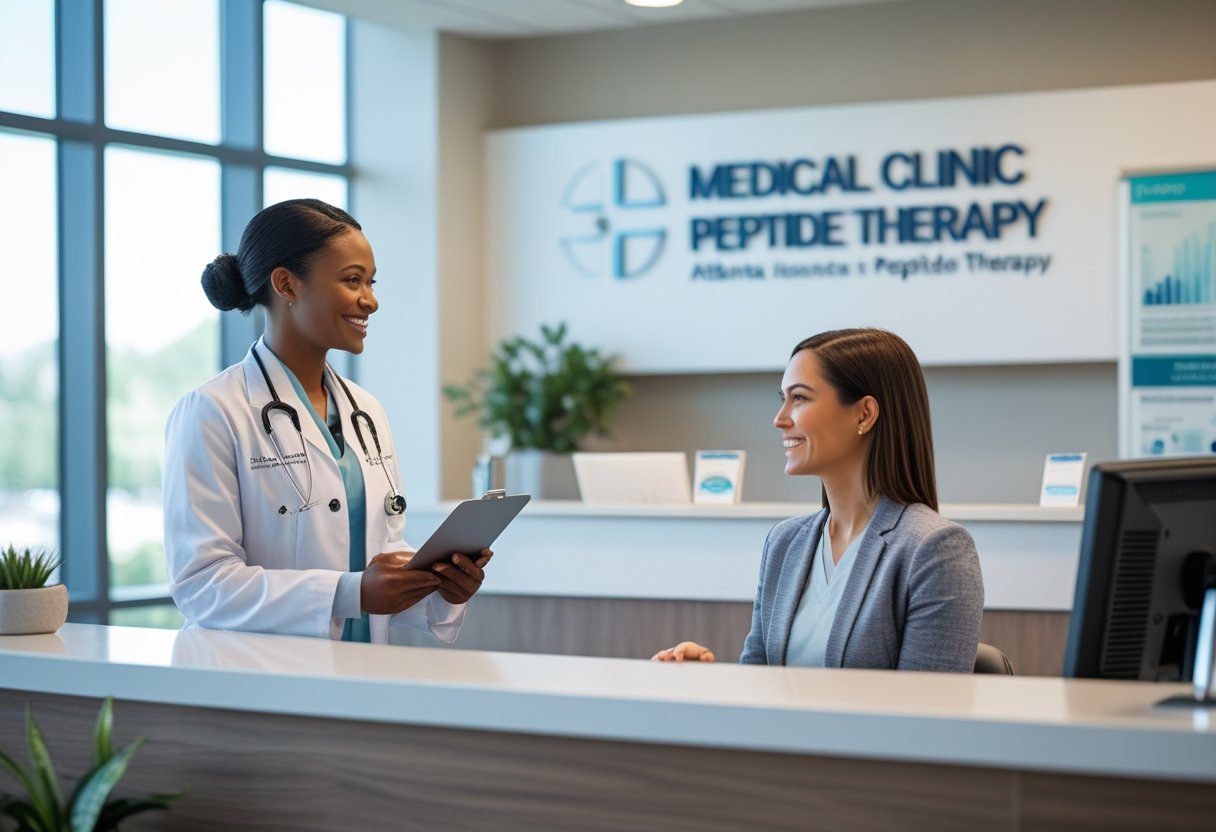
We’ll look at what defines a reputable peptide therapy clinic and how to recognize quality in both medical practices and patient experiences. By understanding the benefits of peptide therapy and comparing leading clinics, we can make informed choices that support our health goals with confidence.
Key Criteria for Evaluating the Reputation of Peptide Therapy Clinics in Atlanta
We should look for clinics that follow medical standards, use verified peptide sources, and design treatment plans that match each patient’s health goals. Reliable clinics also show transparency through patient feedback and consistent wellness outcomes.
Accreditations and Medical Oversight
We need to confirm that a clinic operates under proper medical supervision. Licensed physicians or nurse practitioners should oversee all peptide therapy treatments to ensure safety and compliance with state and federal laws.
Accredited clinics often hold certifications from recognized medical boards or wellness associations. These credentials show that the clinic follows evidence-based practices and ethical standards.
A clinic’s medical oversight structure might include:
- A supervising physician specialized in hormone or peptide therapy
- Regular staff training on peptide handling and patient safety
- Clear documentation of treatment protocols
We should verify that the clinic conducts initial health screenings and monitors progress through lab testing. This helps maintain safe dosage levels and supports consistent peptide therapy results.
Quality and Sourcing of Peptides
The reputation of a clinic depends heavily on the quality of its peptides. We should confirm that all products come from licensed compounding pharmacies that meet FDA or state regulatory standards.
Clinics that use peptides from unverified or overseas suppliers may risk contamination or incorrect dosing. Reliable clinics maintain detailed records of peptide purity, concentration, and expiration dates.
We can ask the clinic for:
- Certificates of analysis (COAs)
- Proof of sterile compounding conditions
- Information on storage and shipping procedures
High-quality sourcing ensures that patients receive consistent and safe treatments designed to support wellness and optimal health.
Personalized Treatment Approach
A reputable clinic should not use a one-size-fits-all treatment plan. Instead, it should tailor peptide therapy based on individual goals, medical history, and lab results.
During the consultation, we should expect a personalized treatment plan that outlines the type of peptides used, frequency of administration, and expected outcomes. Adjustments should occur as the patient’s response and wellness goals evolve.
Clinics that value personalization often:
- Conduct detailed health assessments
- Offer follow-up appointments for progress tracking
- Modify therapy based on measurable results
This approach helps patients achieve more consistent peptide therapy results and supports long-term optimal health.
Patient Reviews and Success Stories
Patient feedback provides a direct view of a clinic’s reliability and service quality. We should read reviews on independent platforms and look for patterns in reported experiences.
Positive reviews often mention clear communication, professional staff, and visible health improvements. Negative reviews may reveal issues like poor coordination or inconsistent results.
It helps to check:
- Verified patient testimonials
- Before-and-after wellness reports
- Ratings on medical review sites
While personal results vary, a strong pattern of satisfied patients suggests that the clinic delivers effective and trustworthy peptide therapy.
Understanding Peptide Therapy and Its Benefits
Peptide therapy uses short chains of amino acids to target specific functions in the body. It supports hormone balance, muscle recovery, and overall well-being through precise biological actions that promote repair and regeneration.
How Peptide Therapy Works
Peptides act as signaling molecules that tell cells to perform certain tasks. They can influence hormone production, protein synthesis, and cellular repair. When we use them in therapy, they often come as subcutaneous injections that deliver peptides directly into the bloodstream.
These compounds can help regulate growth hormone levels, improve fat metabolism, and support muscle growth. By mimicking natural body signals, peptide therapy encourages tissue repair and regeneration without introducing synthetic hormones.
We often see benefits in energy levels, mental clarity, and focus because peptides affect both physical and cognitive systems. They can also help reduce inflammation and oxidative stress, which supports cardiovascular health and longevity.
| Function | Example Effect |
|---|---|
| Hormone signaling | Balances growth hormone and cortisol |
| Cellular repair | Enhances tissue and muscle recovery |
| Metabolic regulation | Aids fat loss and energy use |
Common Peptides Used in Atlanta Clinics
Clinics in Atlanta use several well-researched peptides to target different goals. BPC-157 supports tissue repair and gut health, while TB-500 promotes muscle recovery and inflammation reduction. CJC-1295 and Ipamorelin stimulate natural growth hormone release, improving muscle tone and fat metabolism.
For cognitive support, Semax and Selank may improve memory, focus, and mental clarity. NAD+ infusions are sometimes combined with peptides to enhance cellular energy and brain function.
| Peptide | Primary Use |
|---|---|
| BPC-157 | Tissue and gut repair |
| CJC-1295 | Growth hormone stimulation |
| Ipamorelin | Fat metabolism and recovery |
| TB-500 | Inflammation reduction |
| Semax | Cognitive support |
| NAD+ | Energy and cellular health |
These compounds are often customized based on lab results and health goals, allowing clinics to tailor treatments for weight management, anti-aging, or endurance.
Health and Wellness Outcomes
Patients often report improvements in muscle recovery, stamina, and sleep quality after consistent treatment. Peptides that support growth hormone release can help increase lean muscle mass and reduce fat accumulation.
We also see benefits for skin elasticity, hydration, and cell regeneration, which contribute to anti-aging effects. Cognitive peptides may reduce brain fog and improve focus and memory.
Because peptides act at the cellular level, they can enhance immune function and gut health, reducing chronic inflammation. These outcomes depend on dosage, frequency, and individual response.
| Area | Common Improvement |
|---|---|
| Physical | Muscle tone, endurance, recovery |
| Cognitive | Focus, clarity, memory |
| Metabolic | Fat loss, energy balance |
| Aesthetic | Skin texture, hydration |
Safety and Side Effects
Peptide therapy is generally well-tolerated when prescribed and monitored by qualified clinicians. Common side effects include mild redness or irritation at the injection site. Some individuals may experience temporary fatigue or changes in appetite as the body adjusts.
We must ensure proper dosing and medical supervision to avoid hormone imbalance or unexpected interactions. Clinics in Atlanta often perform lab tests to track hormone balance, liver function, and cardiovascular health.
Peptides sourced from licensed pharmacies reduce the risk of contamination or inaccurate dosing. Patients should avoid unverified online products.
| Safety Measure | Purpose |
|---|---|
| Lab testing | Monitors hormone and organ function |
| Medical supervision | Prevents misuse or overuse |
| Quality sourcing | Ensures purity and potency |
Clinic Practices and Patient Experience
We look for clinics that use clear evaluation methods, offer treatment plans based on medical evidence, and employ qualified providers. The way a clinic handles consultations, designs personalized peptide programs, and monitors patient progress often shows how reliable and safe its services are.
Consultation and Assessment Process
A reputable clinic begins with a detailed consultation. We expect providers to review our medical history, current medications, and health goals before recommending any peptides. This helps identify whether compounds like TB-500, Tesamorelin, or Ipamorelin fit our needs.
Clinics should use lab testing to measure hormone levels and other biomarkers. This data supports accurate dosing and reduces risks from unnecessary or unsafe treatments.
During the assessment, staff should explain potential benefits, side effects, and expected timelines. We value clinics that encourage questions and provide written information about each peptide.
A clear intake process builds trust. It also helps patients understand how peptide therapy might interact with other treatments or lifestyle factors.
Personalized Treatment Plans and Monitoring
Each patient’s personalized treatment plan should reflect specific health goals, such as muscle recovery, fat reduction, or improved sleep. A good clinic adjusts dosage and combinations of peptides like Melanotan I or Ipamorelin based on lab results and progress reports.
We expect providers to track outcomes through scheduled follow-ups and progress evaluations. Regular monitoring allows early detection of side effects and ensures that dosing remains safe and effective.
Clinics that use digital tracking tools or maintain detailed patient charts often deliver more consistent results. These records help refine the treatment plan over time.
Patients should receive clear instructions on injection techniques, storage, and timing. Consistent communication between the provider and patient supports better adherence and confidence in the therapy.
Provider Qualifications and Expertise
The skill and background of the provider strongly influence treatment quality. We look for clinics where licensed medical professionals; such as physicians, nurse practitioners, or physician assistants; oversee all peptide protocols.
Providers should have training in endocrinology, sports medicine, or peptide pharmacology. Experience with compounds like TB-500 and Tesamorelin shows familiarity with dosing guidelines and clinical safety.
Clinics should display credentials and board certifications publicly. This transparency helps patients confirm that the staff meets state and federal medical standards.
We also value ongoing education. Providers who attend medical conferences or complete peptide therapy courses tend to stay current with research and best practices. This commitment supports safe and effective patient care.
Comparing Leading Peptide Therapy Clinics in Atlanta
We evaluate Atlanta’s top peptide therapy clinics by looking at their range of treatments, clarity of communication, and ongoing patient care. Our focus is on how each clinic supports wellness, athletic performance, and long-term optimal health through safe and effective peptide therapy.
Notable Clinics and Their Distinguishing Features
Several Atlanta clinics stand out for their specialized approaches to peptide therapy. Atlanta Peptide Institute, for example, emphasizes tailored protocols for hormone balance and recovery. Vitality Wellness Center focuses on athletic performance, offering custom peptide blends for muscle repair and endurance. RegenMed Atlanta integrates peptide therapy with nutrition and fitness programs to promote overall wellness.
We find that clinics differ in their consultation process and medical oversight. Some require full lab testing and ongoing monitoring, while others rely on initial assessments with fewer follow-ups. Clinics with board-certified physicians and licensed medical staff tend to maintain higher safety standards and more consistent peptide therapy results.
| Clinic Name | Primary Focus | Medical Oversight | Key Strength |
|---|---|---|---|
| Atlanta Peptide Institute | Hormone balance | Physician-led | Personalized dosing |
| Vitality Wellness Center | Athletic performance | Nurse practitioner supervision | Fitness integration |
| RegenMed Atlanta | Whole-body wellness | Multidisciplinary team | Combined therapies |
Transparency and Communication
Clear communication builds trust between patients and providers. We notice that reputable clinics share detailed information about peptide therapy options, potential side effects, and expected timelines for results. They also explain the science behind each peptide and how it supports cellular repair and hormone regulation.
Transparent pricing is another key factor. Clinics that post treatment costs, consultation fees, and package options upfront allow patients to make informed choices. We also value clinics that provide written treatment plans and regular progress updates.
Effective communication extends to accessibility. Clinics with responsive staff, easy appointment scheduling, and secure online portals make it simpler for patients to stay engaged in their wellness journey.
Long-Term Outcomes and Patient Support
Long-term success with peptide therapy depends on consistent follow-up and lifestyle guidance. Clinics that track patient progress through lab work, symptom logs, and periodic reviews tend to achieve more stable results.
We find that strong patient support includes education on diet, exercise, and sleep, which reinforces the benefits of peptide therapy. Some clinics offer maintenance programs or membership options for ongoing care.
Sustained wellness and improved athletic performance often result from this continued partnership. When clinics emphasize both immediate peptide therapy results and long-term health maintenance, patients experience better outcomes and lasting improvements in energy, recovery, and overall function.

Dr. Cassandra B. Donnelly is a highly experienced physician with over 30 years in the medical field, specializing in emergency medicine and Osteopathic Medicine. She earned her Doctor of Osteopathic Medicine from Rowan University’s School of Osteopathic Medicine and completed her Emergency Medicine residency at Rutgers New Jersey Medical School, building a profound understanding of critical care and patient management. Dr. Donnelly’s expertise has been recognized in significant medical literature, with her contributions featured in the National Library of Medicine. Her professional commitment extends to providing comprehensive patient care and contributing valuable insights to the medical community. Dr. Donnelly is dedicated to delivering accurate, reliable, and expertly reviewed content that meets the highest standards of medical knowledge.