
Many of us want smoother, more hydrated skin but struggle to keep it that way. Dryness, fine lines, and dullness can make skin look tired even when we take good care of it. Collagen peptides support the skin’s natural ability to stay firm, smooth, and hydrated from within.
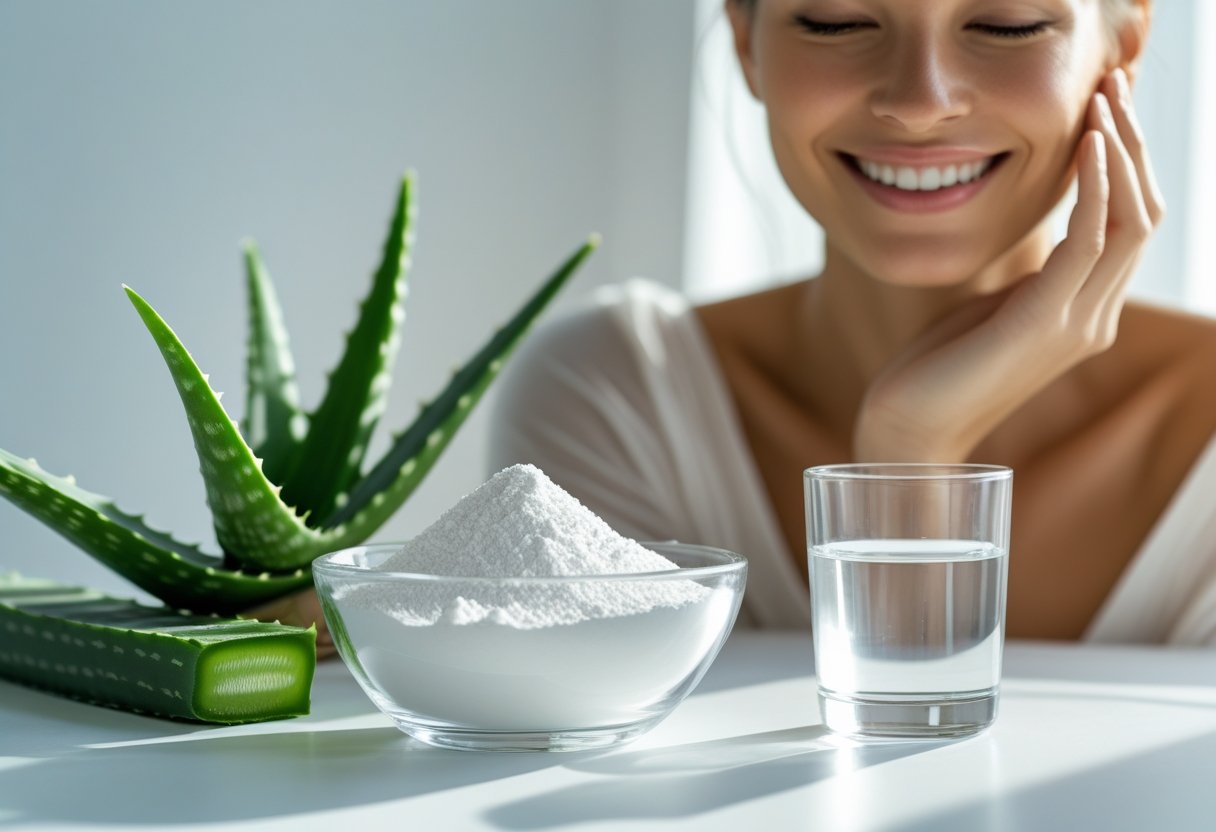
As we age, our collagen levels drop, which affects how our skin looks and feels. By adding collagen peptides to our diet, we can help our skin retain moisture and elasticity more effectively. This simple addition may make a real difference in how our skin holds hydration over time.
In this article, we’ll look at how collagen peptides enhance skin hydration, the science behind their role in skin health, and how to use them for the best results.
How Collagen Peptides Enhance Skin Hydration
Collagen peptides help the skin maintain its natural moisture by supporting the structure that holds water in the skin. They also improve the skin barrier and elasticity, which reduces dryness and the appearance of fine lines and wrinkles.
Role of Collagen in Skin Moisture Retention
Collagen is a key protein in our skin’s structure. It forms a network that supports firmness and helps retain moisture. As we age, collagen production decreases, leading to drier skin and reduced elasticity.
Lower collagen levels make it harder for the skin to hold water. This results in visible dryness and fine lines. By supporting collagen levels, we help the skin maintain hydration and a smoother texture.
Key points:
- Collagen supports the dermal layer that stores water.
- Reduced collagen leads to moisture loss.
- Maintaining collagen helps preserve skin softness.
Mechanisms of Collagen Peptides for Hydrated Skin
Collagen peptides are small fragments of collagen that our body can absorb easily. Once absorbed, they stimulate cells called fibroblasts to produce more collagen, elastin, and hyaluronic acid-three components important for skin hydration.
These peptides also improve water-binding capacity. They help the skin retain moisture from within, rather than relying only on surface creams or lotions.
Main actions of collagen peptides:
| Function | Effect on Skin |
|---|---|
| Stimulate collagen synthesis | Improves firmness and structure |
| Boost hyaluronic acid | Enhances water retention |
| Support elastin production | Increases flexibility and smoothness |
Through these actions, collagen peptides help restore hydration balance and reduce the appearance of dryness and wrinkles.
Impact on Skin Barrier and Elasticity
The skin barrier protects against water loss and external irritants. Collagen peptides strengthen this barrier by improving the quality of the outer skin layers. When the barrier is healthy, moisture stays locked in longer.
Better barrier function also reduces roughness and sensitivity. At the same time, collagen peptides support elasticity by promoting new collagen and elastin formation.
With consistent intake, we may notice firmer, more supple skin that resists dryness. This improvement in barrier strength and flexibility helps aging skin maintain a hydrated, resilient look.
Science Behind Collagen Peptides and Skin Health

Collagen peptides support skin structure by aiding collagen production, improving elasticity, and maintaining hydration. They provide amino acids that help fibroblast cells build new collagen and elastin, which keep skin firm and smooth.
What Are Collagen Peptides?
Collagen peptides are short chains of amino acids formed when collagen proteins are broken down through a process called hydrolysis. This makes them easier for our bodies to absorb and use.
When we consume hydrolyzed collagen, our digestive system breaks it into small peptides that enter the bloodstream. These peptides can signal skin cells to produce more collagen and elastin, supporting skin firmness and moisture.
Collagen peptides come from natural sources such as bovine hides, fish skin, or chicken cartilage. Marine collagen peptides, made from fish, are often praised for their smaller molecular size, which may allow better absorption.
| Source | Common Type | Key Benefit |
|---|---|---|
| Bovine (cow) | Type I & III | Supports skin and joint health |
| Marine (fish) | Type I | Promotes skin hydration and firmness |
| Chicken | Type II | Aids cartilage and joint support |
Collagen Synthesis and Amino Acids
Collagen synthesis depends on specific amino acids, mainly glycine, proline, and hydroxyproline. These amino acids form the triple-helix structure that gives collagen its strength.
When we consume collagen peptides, we supply the body with these key amino acids. Our fibroblast cells then use them to build new collagen fibers and repair damaged tissue. This process supports skin elasticity and hydration.
Vitamin C plays a vital role in collagen formation by helping enzymes link amino acids together. Without enough vitamin C, collagen production slows, leading to weaker skin structure.
Regular intake of collagen peptides may help maintain fibroblast activity, which supports both collagen and elastin production. This helps the skin stay firm and retain moisture.
Types and Sources of Collagen Peptides
There are several types of collagen, but Type I collagen makes up most of our skin. Bovine collagen provides Types I and III, while marine collagen mainly supplies Type I.
Marine collagen peptides are often preferred for skin health because they dissolve easily and absorb quickly. Hydrolyzed collagen from bovine sources is also effective and more widely available.
Different sources vary in amino acid composition but serve the same purpose-to support collagen production in the body. Choosing between marine and bovine collagen often depends on dietary preference, cost, and absorption rate.
We can include collagen peptides in our diet through powders, capsules, or fortified foods. Consistent intake helps maintain the natural collagen network that keeps skin hydrated, firm, and resilient.
Benefits of Collagen Peptides for Skin Appearance
Collagen peptides help maintain skin firmness, improve texture, and support skin repair. They influence how our skin looks and feels by promoting collagen stimulation and reducing visible signs of skin aging.
Reduction of Fine Lines and Wrinkles
As we age, our natural collagen levels drop, which leads to fine lines and wrinkles. When we take collagen peptides, our body receives amino acids that support new collagen formation in the skin. This process helps fill and smooth the skin’s surface.
Studies show that consistent use of collagen peptides can increase skin elasticity. Improved elasticity makes wrinkles appear less deep and less noticeable.
We also benefit from their antioxidant properties, which help reduce damage from free radicals that speed up aging.
| Effect | Description |
|---|---|
| Collagen stimulation | Encourages new collagen production |
| Elasticity improvement | Makes skin more flexible and smooth |
| Wrinkle reduction | Decreases depth and visibility of lines |
This combination of effects helps our skin maintain a more even tone and youthful appearance without harsh treatments.
Improvement in Skin Texture and Firmness
Collagen peptides play a direct role in skin texture and firmness. They strengthen the skin’s structural network, which helps reduce sagging and uneven surfaces.
By improving the density of collagen fibers, the skin feels tighter and more resilient.
Regular intake supports moisture retention, which keeps the skin soft and smooth. Hydrated skin reflects light better, giving it a more even tone.
We also notice that with better collagen support, the outer layer of the skin becomes less rough and more balanced in appearance.
- Increased firmness: Supports the skin’s internal structure
- Enhanced texture: Reduces roughness and dryness
- Better tone: Promotes a more uniform surface
These improvements make the skin look healthier and more stable over time.
Support for Wound Healing and Inflammation
Collagen peptides assist the body’s wound healing process by providing amino acids needed for skin repair. When our skin is injured, collagen forms the base for new tissue growth.
Taking collagen peptides can help speed up this process and improve the quality of healed skin.
They also show potential in reducing inflammation, which can slow recovery and lead to redness or irritation. By lowering inflammatory responses, collagen peptides help create a stable environment for healing.
This benefit supports both minor skin injuries and recovery from irritation caused by dryness or environmental stress.
Better healing and reduced inflammation contribute to stronger, more resilient skin that maintains its natural barrier function.
Optimizing Collagen Peptide Use for Hydrated Skin
We can improve skin hydration by selecting effective collagen supplements, pairing them with supportive nutrients, and using them consistently in our skincare routine. Focusing on ingredient quality, formulation, and proper application helps us see more visible and lasting results.
Choosing the Right Collagen Supplement
We should choose a collagen supplement that contains hydrolyzed collagen peptides, which are easier for the body to absorb. Look for products that list the source, such as bovine, marine, or porcine collagen. Marine collagen often supports skin hydration best because of its smaller peptide size.
Third-party testing ensures purity and safety. We should check for certifications that confirm the product is free from heavy metals and contaminants.
A good supplement also provides vitamin C, which helps the body synthesize new collagen. Some formulas include zinc or hyaluronic acid for added skin support.
| Collagen Type | Source | Key Benefit |
|---|---|---|
| Type I | Skin, tendons | Improves firmness |
| Type II | Cartilage | Supports joints |
| Type III | Skin, muscles | Enhances elasticity |
Selecting a supplement with Type I and III collagen is most beneficial for skin hydration and texture.
Synergistic Ingredients for Skin Hydration
Certain nutrients work with collagen peptides to improve moisture retention. Hyaluronic acid attracts and holds water in the skin, helping it stay plump. Vitamin C supports collagen production and protects against oxidative stress. Niacinamide strengthens the skin barrier and reduces water loss.
We can also use peptides for skin such as palmitoyl pentapeptide-4 (Matrixyl), Argireline, and copper peptides. These signal peptides and carrier peptides encourage collagen formation and improve firmness.
Dermatologists often recommend combining collagen supplementation with nutraceuticals that contain these synergistic ingredients. This combination enhances hydration more effectively than collagen alone.
Incorporating Collagen Peptides Into Your Skincare Routine
We can include collagen peptides both internally and topically. Taking a daily collagen supplement supports collagen formation from within. Applying skincare products with peptides, such as serums or creams, helps target the skin directly.
A simple routine might include:
- Cleanser; removes buildup
- Peptide serum; delivers active ingredients
- Moisturizer; seals in hydration
- Sunscreen; protects collagen from UV damage
Consistency matters. We should apply peptide-based products twice daily and maintain collagen supplementation for several months to notice visible hydration improvements.

Dr. Cassandra B. Donnelly is a highly experienced physician with over 30 years in the medical field, specializing in emergency medicine and Osteopathic Medicine. She earned her Doctor of Osteopathic Medicine from Rowan University’s School of Osteopathic Medicine and completed her Emergency Medicine residency at Rutgers New Jersey Medical School, building a profound understanding of critical care and patient management. Dr. Donnelly’s expertise has been recognized in significant medical literature, with her contributions featured in the National Library of Medicine. Her professional commitment extends to providing comprehensive patient care and contributing valuable insights to the medical community. Dr. Donnelly is dedicated to delivering accurate, reliable, and expertly reviewed content that meets the highest standards of medical knowledge.